
Snowmoon · Chapter 17
Nobody votes on
the whole budget.
Graph Funding, the system Veridia runs on, now on Ethereum. The money climbs down a tree of public goods. At every fork, a committee drawn at random decides where it goes next.
not launched yet
Launches on Stockereum · genesis tree below
From the book
Learn about Veridian Graph Funding-subsidized education programs for all ages today.
…the Steering system, the Graph Funding mechanism…The Arctic Empire called it soft.
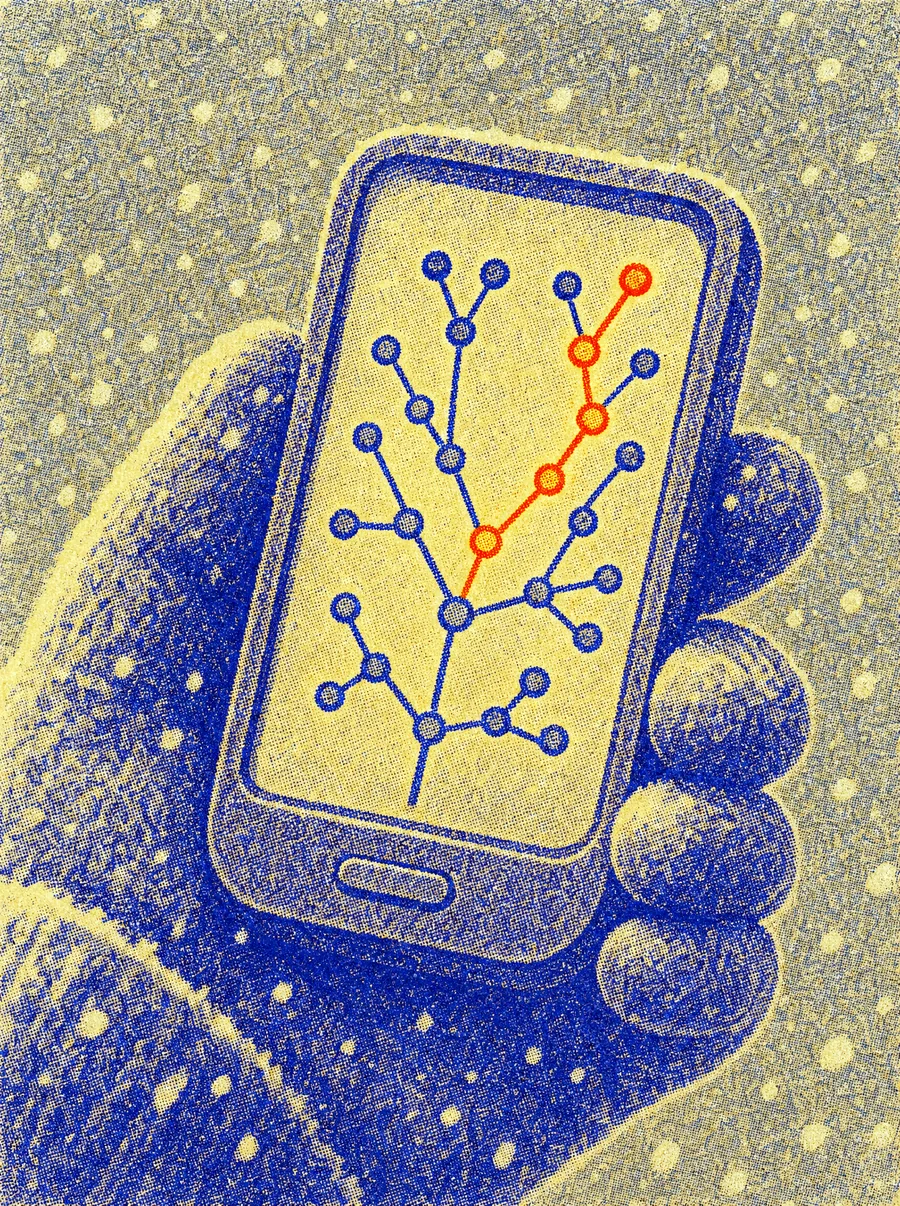
For each node on the graph, the cryptographic network randomly selects a committee.
Graph Funding has been fine.It survived the war.
The graph,
at genesis
Four branches, fourteen projects, every address checked at its official source. The orange line is where the most money goes right now.
Point at a fork to see its committee and their votes. Point at a project to see what it is owed.
Genesis weights, set by the deployer. Committees take over from the first epoch.
The 14 recipients, and where each address comes from
Recipients, not partners. Each address was read from the project's own donation page and checked on-chain. None of these projects has endorsed Graph Funding.
| Project | Branch | Address | Source |
|---|
How a decision is made
-
1
Enlist
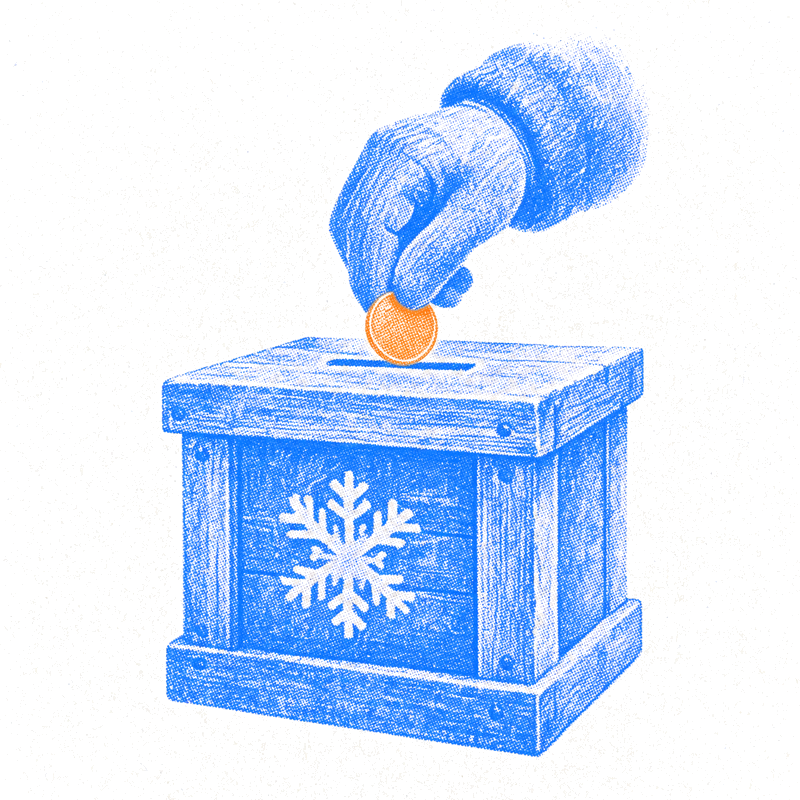
Lock $GRAPHFUND. Your chance of being drawn is your share of everything locked.
-
2
Drawn
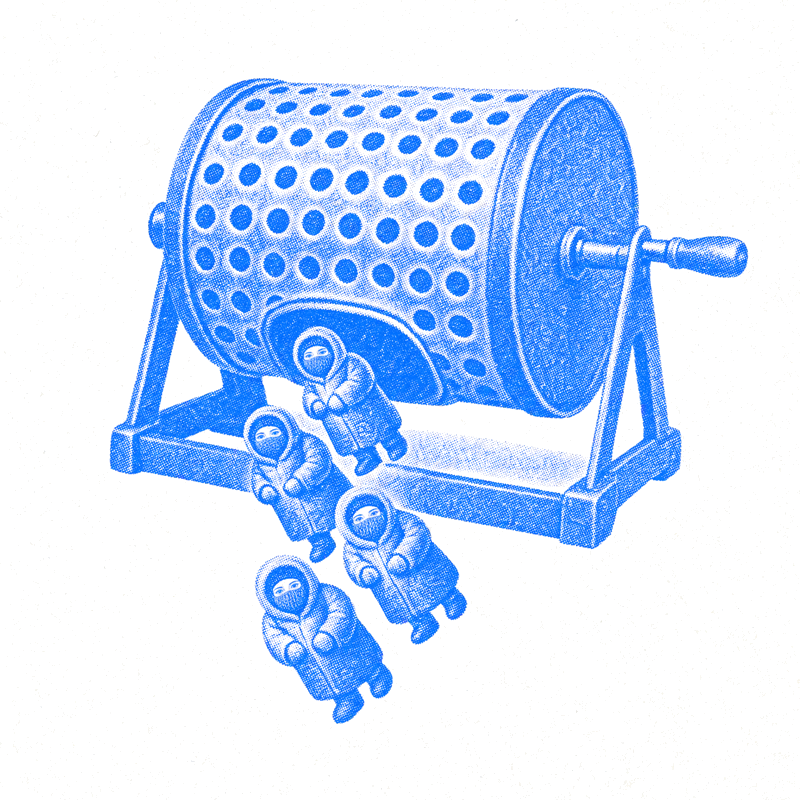
The hash of a future block picks five Keepers for every fork. Nobody knows who in advance.
-
3
Vote
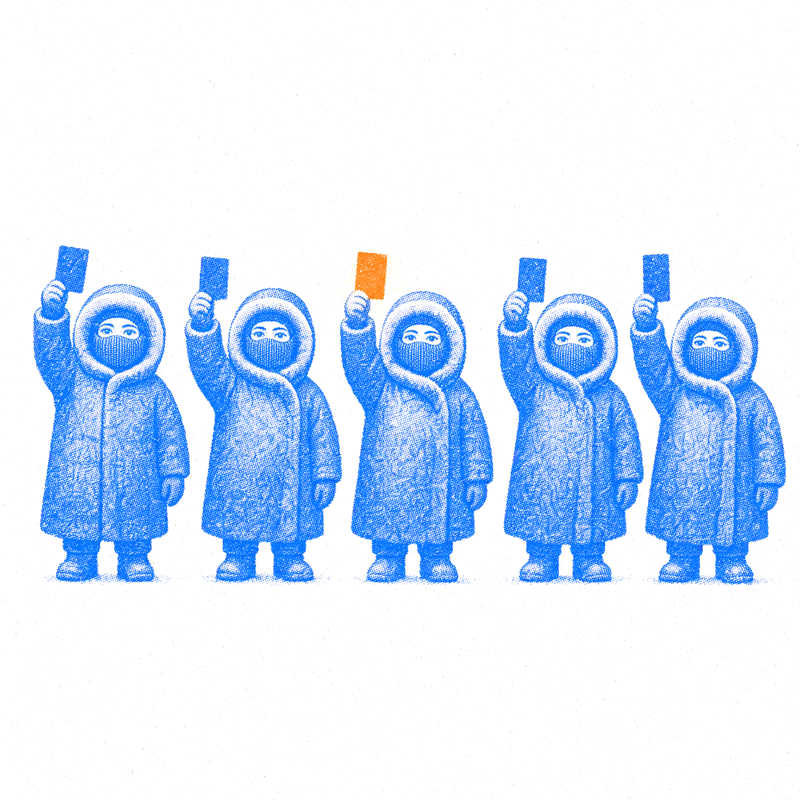
Each one proposes the split below their fork. The median wins, so one bad vote moves nothing.
-
4
Flow
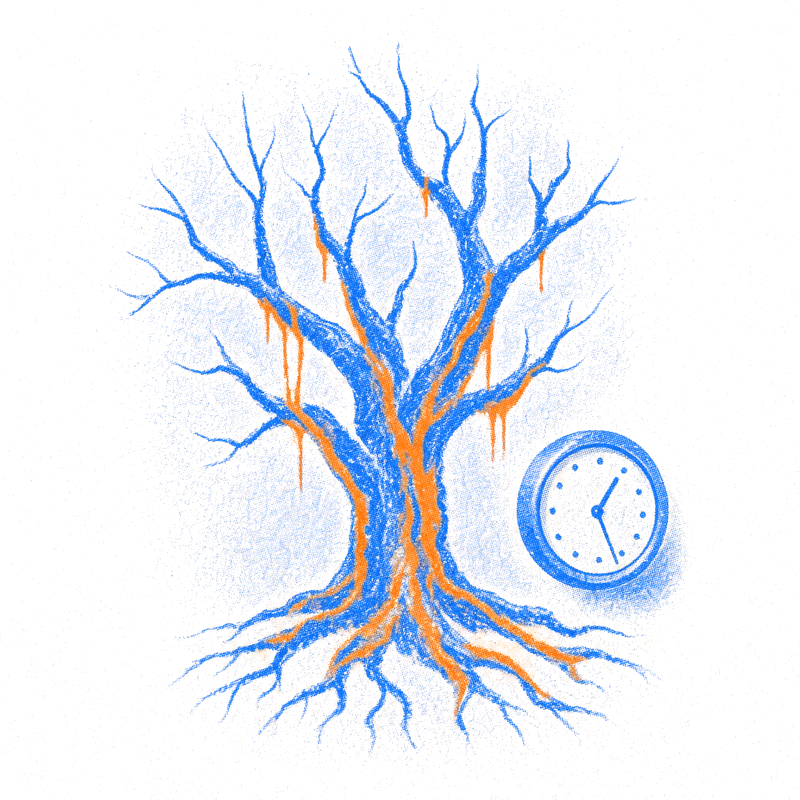
Every six hours the money climbs down the tree. Keepers who voted on a fork share 2% of what flows through it.
Become a Keeper
Keepers are drawn by lot to steer the money. Lock at least 100,000 $GRAPHFUND, wait for your fork, and vote.
Built in public
Everything the money touches is public: where it comes from, who can change what, and what could go wrong.
Read the codeThe rules, on the wall
1 · Where the money comes from
- The market. Every $GRAPHFUND trade on Stockereum pays 2%.
- The creator wallet. 1% waits in its escrow.
- The tree. It is claimed straight into Graph Funding with
claim(WETH, GraphFund).
2 · The owner
Can
- Edit the tree and the starting weights
- Change epoch length, committee size, voter pay
- Reject spam proposals
Cannot
- Touch anyone's stake
- Touch money owed to a project
- Choose who gets drawn
The owner renounces after 28 epochs (7 days) with committees drawn and no emergency changes.
3 · Contracts
- GraphFund
- not deployed yet
- KeeperStaking
- not deployed yet
- KeeperBadge
- not deployed yet
- $GRAPHFUND
- not launched yet
4 · Before you lock
- Can a whale buy a committee?
- Seats are drawn in proportion to what is locked, so whoever locks most of the $GRAPHFUND wins most seats. The median protects a fork's split only while no one holds three of its five seats. Every seat and every vote is public.
- Keepers keep 2% of what?
- Each epoch, the Keepers who voted on a fork share 2% of the ETH that flowed through that fork. The other 98% keeps climbing down the tree.
- Did these projects sign up?
- No. They are recipients, not partners. Graph Funding pays the donation address each project publishes; none of them has endorsed it.
- Is it audited?
- Not yet. The code is open source and tested. The draw uses the hash of a future block, which that block's proposer could bias.